Gold Scalping vs Swing Trading: Which Style Fits You?

Gold trading represents one of the most accessible and liquid markets globally, attracting traders with varying timeframes, risk appetites, and capital requirements. Two dominant trading approaches—scalping and swing trading—offer distinctly different pathways to profitability in the gold market. Understanding which style aligns with your personality, available time, and financial goals is crucial for long-term success.
Understanding Gold Market Dynamics
Gold prices exhibit unique volatility characteristics that make the precious metal suitable for both short-term and medium-term trading strategies. The stability of gold price movements differs significantly from cryptocurrencies and other volatile assets, displaying measurable patterns that traders can exploit through various methodologies. Research demonstrates that gold markets incorporate both fundamentalist and chartist (technical) trading behaviors, with feedback traders playing significant roles during sustained price movements.
The gold market operates nearly 24 hours daily through spot markets, futures contracts, and exchange-traded funds (ETFs), providing continuous opportunities for different trading styles. This liquidity enables scalpers to enter and exit positions rapidly while allowing swing traders to maintain positions across multiple sessions without significant slippage concerns.
Gold Scalping: High-Frequency Precision Trading
Defining the Scalping Approach
Scalping represents an ultra-short-term trading methodology where traders execute multiple trades throughout the day, targeting small price movements of typically 5-20 pips (or $0.50-$2.00 per ounce in gold). Scalpers rarely hold positions beyond minutes or hours, focusing instead on capturing minimal price fluctuations repeatedly to accumulate profits.
This high-frequency approach requires intense concentration, rapid decision-making capabilities, and advanced technical analysis skills. Scalpers monitor tick charts, one-minute charts, and five-minute charts, responding immediately to price action signals, order flow dynamics, and market microstructure changes.
Key Characteristics of Gold Scalping
Time Commitment: Scalping demands full attention during trading sessions. Successful gold scalpers typically dedicate 2-4 hours of uninterrupted focus during peak volatility periods, particularly during London and New York trading session overlaps when gold experiences maximum liquidity and price movement.
Trade Frequency: Scalpers may execute 10-50 trades daily, depending on market conditions and individual strategies. This volume requires excellent discipline and emotional control to avoid overtrading or revenge trading after losses.
Profit Targets: Individual trades target modest gains of $10-$50 per contract or position, with strict risk management limiting losses to similar or smaller amounts. The cumulative effect of numerous small wins creates daily profitability.
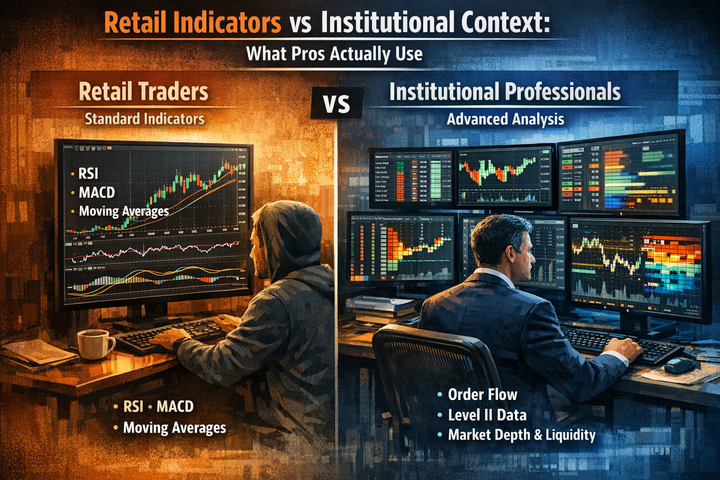
Technical Analysis Tools: Scalpers rely heavily on real-time technical indicators including moving averages, Bollinger Bands, pivot points, volume analysis, and order book depth. Level II data and time-and-sales information provide critical insights into institutional order flow and potential price reversals.
Advantages of Gold Scalping
Limited Exposure Risk: By holding positions for mere minutes, scalpers minimize exposure to overnight gaps, geopolitical events, and unexpected news announcements that could trigger adverse price movements. This intraday focus eliminates overnight margin requirements and psychological stress associated with holding positions.
Frequent Profit Opportunities: Multiple daily trades create numerous chances to profit regardless of overall market direction. Scalpers can generate income in trending, ranging, or choppy markets by adapting their strategies to prevailing conditions.
Reduced Market Risk: The brief holding period means scalpers avoid many macroeconomic risks that affect longer-term positions. Federal Reserve announcements, inflation data, and geopolitical tensions have minimal impact on positions held for minutes.
Capital Efficiency: Scalping strategies often utilize high leverage effectively, allowing traders to control substantial positions with relatively modest capital. Quick profit-taking and loss-cutting enable efficient capital rotation throughout the trading session.
Disadvantages and Challenges
Transaction Costs: Frequent trading accumulates substantial commission and spread costs. Scalpers must overcome bid-ask spreads on every trade, which can consume 30-50% of gross profits. Only traders with access to competitive pricing and tight spreads can sustain profitable scalping operations.
Psychological Intensity: The constant decision-making and rapid execution requirements create significant mental fatigue. Scalpers must maintain peak concentration for extended periods, making burnout a genuine concern. Emotional discipline becomes paramount when managing multiple losing trades in succession.
Technology Dependence: Successful scalping requires reliable, high-speed internet connectivity, professional trading platforms with minimal latency, and often co-location services to compete with algorithmic traders. Technical failures or platform outages can result in catastrophic losses.
Learning Curve: Mastering scalping techniques requires extensive practice, often involving months of demo trading and substantial screen time. The complexity of reading real-time price action and managing rapid-fire decisions intimidates many beginners.
Swing Trading: Capturing Medium-Term Price Movements
Defining the Swing Trading Methodology
Swing trading focuses on capturing price movements over several days to weeks, identifying and profiting from intermediate trends within gold's broader market cycles. Swing traders analyze daily and four-hour charts, seeking positions that offer favorable risk-reward ratios of 1:2 or greater.
This approach balances the commitment requirements of day trading with the extended timeframes of position trading, making it accessible to individuals with full-time employment or other responsibilities. Swing traders typically maintain 3-10 simultaneous positions, monitoring markets 1-2 hours daily while allowing trades to develop according to predetermined plans.
Key Characteristics of Gold Swing Trading
Time Commitment: Swing trading requires 30-90 minutes daily for market analysis, position monitoring, and trade execution. This flexible schedule accommodates working professionals who cannot dedicate entire trading sessions to market observation.
Trade Frequency: Swing traders typically execute 5-20 trades monthly, focusing on quality setups rather than quantity. This measured approach allows thorough analysis of each opportunity and reduces the emotional intensity associated with rapid-fire decision-making.
Profit Targets: Individual swing trades target price movements of $20-$100 per ounce or more, corresponding to several percentage points of the gold price. These larger targets compensate for wider stop-losses and overnight holding risks.
Technical and Fundamental Analysis: Swing traders employ comprehensive analysis combining technical patterns (trend lines, chart formations, Fibonacci retracements) with fundamental catalysts (inflation expectations, currency movements, central bank policies). This multi-faceted approach improves trade selection and timing.
Advantages of Gold Swing Trading
Reduced Time Pressure: Unlike scalping, swing trading eliminates the need for constant market monitoring. Traders can set price alerts, employ trailing stops, and trust their analysis to unfold over days rather than minutes. This reduces psychological stress and prevents impulsive decisions.
Lower Transaction Costs: Fewer trades mean reduced commission expenses and bid-ask spread costs. Swing traders can profitably operate with slightly wider spreads since individual profit targets significantly exceed transaction costs. This economic advantage improves net profitability even with moderate win rates.
Comprehensive Analysis Time: The extended timeframe allows thorough research into macroeconomic factors, seasonal patterns, and technical setups. Swing traders can wait for optimal entry points rather than forcing trades during suboptimal conditions.
Sustainable Lifestyle: Swing trading integrates seamlessly with other professional obligations, family responsibilities, and personal interests. The approach provides financial market participation without consuming all available time and energy.
Disadvantages and Considerations
Overnight Risk Exposure: Holding positions across sessions exposes swing traders to gap risk from unexpected news events, geopolitical developments, or market opening gaps. Proper position sizing and risk management become critical to surviving adverse overnight movements.
Patience Requirements: Swing trading demands the discipline to wait for proper setups and allow trades to develop fully. Impatient traders may exit profitable positions prematurely or enter trades before optimal confirmation signals appear.
Larger Capital Requirements: Wider stop-losses necessary for swing trades require larger position sizes to maintain consistent risk percentages. A swing trader risking 1% of capital on a trade with a $30 stop-loss needs substantially more capital than a scalper risking the same percentage on a $5 stop-loss.
Opportunity Cost: While positions develop over days or weeks, capital remains committed and unavailable for other opportunities. Swing traders must accept that their capital deployment differs significantly from the rapid turnover scalpers achieve.
Comparative Analysis: Critical Decision Factors
Capital Requirements
Scalping can commence with relatively modest capital ($2,000-$5,000) due to tight stop-losses and intraday margin requirements. However, the need to overcome transaction costs means scalpers benefit from larger accounts that can absorb commission structures more efficiently.
Swing trading typically requires $10,000-$25,000 minimum to properly diversify across multiple positions while maintaining appropriate risk management. The larger stop-losses demand sufficient capital to risk 1-2% per trade without overexposing the account.
Time Availability
Professionals with full-time employment find swing trading more compatible with their schedules, requiring only morning or evening analysis sessions. Scalping demands availability during specific market hours when volatility and liquidity peak, making it challenging for those with inflexible work commitments.
Personality and Psychological Factors
Scalping Suits Traders Who:
- Thrive under pressure and make rapid decisions confidently
- Possess excellent hand-eye coordination and reaction speeds
- Enjoy intense focus and can maintain concentration for extended periods
- Prefer immediate feedback and frequent action
- Can emotionally detach from individual trade outcomes
Swing Trading Suits Traders Who:
- Prefer analytical, methodical decision-making processes
- Value work-life balance and sustainable trading practices
- Can tolerate uncertainty and delayed gratification
- Possess patience to wait for optimal setups
- Think strategically about market positioning
Risk Management Approaches
Scalping employs extremely tight stop-losses (often 5-10 pips), accepting higher loss frequency while maintaining favorable reward-risk ratios through volume. Position sizing focuses on capturing numerous small wins while preventing any single loss from significantly impacting capital.
Swing trading utilizes wider stop-losses (typically 1-3% of gold price) positioned beyond technical levels to avoid premature exits from normal market noise. The approach accepts lower trade frequency while seeking larger individual profits that justify the increased per-trade risk.
Market Condition Adaptability
Scalping performs optimally during high-volatility sessions with clear directional momentum or well-defined ranging patterns. Low-volatility periods reduce profit potential and increase the challenge of overcoming transaction costs.
Swing trading adapts to various market environments, profiting from sustained trends, range-bound oscillations, or transitional phases. The extended timeframe allows positions to work through temporary counter-trend movements without forcing exits.
Technical Strategy Frameworks
Scalping Strategy Example
A typical gold scalping approach might employ the 5-minute chart with 20-period and 50-period exponential moving averages. Traders enter long positions when price pulls back to the 20 EMA during uptrends (50 EMA sloping upward), targeting 10-15 pip moves with 5-7 pip stop-losses. The strategy generates 15-25 signals daily during active sessions, requiring disciplined execution and consistent risk management.
Bollinger Bands provide valuable scalping signals, particularly during range-bound periods. When price touches the lower band with RSI below 30, scalpers initiate long positions targeting the middle band, while upper band touches with overbought RSI signal short opportunities.
Swing Trading Strategy Example
Swing traders might employ daily chart analysis, identifying gold's position relative to major moving averages (50-day, 100-day, 200-day). When price corrects to the 50-day MA during established uptrends, traders enter long positions with stop-losses below recent swing lows, targeting previous resistance levels or Fibonacci extension projections. Such setups generate 2-4 weekly opportunities, each offering multi-day profit potential.
Fundamental catalysts enhance swing trading performance. Monitoring Federal Reserve policy statements, inflation reports, and US dollar strength provides context for technical setups. Combining technical entry signals with fundamental directional bias improves win rates and profit consistency.
Performance Expectations and Reality
Realistic Profit Targets
Experienced scalpers achieving 60-65% win rates with 1:1 reward-risk ratios can potentially generate 3-8% monthly returns after transaction costs. However, many beginners struggle to achieve profitability during their first 6-12 months due to the steep learning curve and psychological challenges.
Swing traders with 45-55% win rates and 2:1 or better reward-risk ratios can reasonably target 4-10% monthly returns. The reduced trade frequency creates more variable monthly results, with some months producing exceptional returns while others break even or incur small losses.
Risk of Ruin Considerations
Scalping's high trade frequency creates mathematical risk-of-ruin concerns if proper position sizing and risk management falter. A series of losses during volatile periods can quickly deplete accounts using excessive leverage or inadequate stop-losses.
Swing trading's lower frequency reduces risk-of-ruin probability when traders maintain consistent 1-2% per-trade risk levels. The primary danger involves holding losing positions too long, hoping for reversals rather than accepting planned losses.
Making Your Decision: A Practical Framework
Self-Assessment Questions
Consider scalping if you answer "yes" to most of these:
- Can you dedicate 2-4 uninterrupted hours daily to trading?
- Do you enjoy fast-paced, action-oriented activities?
- Can you make decisions quickly without second-guessing?
- Do you have access to professional-grade trading infrastructure?
- Can you emotionally handle multiple consecutive losses?
- Do you prefer immediate results over delayed outcomes?
Consider swing trading if you answer "yes" to most of these:
- Do you have limited time for market monitoring?
- Do you prefer thorough analysis over rapid execution?
- Can you tolerate holding positions through adverse movements?
- Do you think strategically about multi-day developments?
- Do you value work-life balance and sustainable practices?
- Can you exercise patience waiting for optimal setups?
Hybrid Approaches
Many traders successfully combine elements of both styles, scalping during high-probability volatile sessions while maintaining swing positions during trending market phases. This hybrid approach provides daily action for psychological satisfaction while capturing larger moves for substantial profits.
The key to successful hybrid trading involves separating capital allocations, maintaining distinct strategy rules for each approach, and avoiding the temptation to scalp out of swing positions prematurely or hold scalping trades hoping they become swing winners.
Conclusion: Aligning Strategy with Individual Circumstances
Neither gold scalping nor swing trading represents a universally superior approach. The optimal choice depends entirely on individual circumstances, including available capital, time commitment, psychological temperament, technological resources, and lifestyle preferences.
Scalping offers intense engagement, frequent opportunities, and reduced overnight risk at the cost of high stress, substantial time requirements, and significant transaction costs. Swing trading provides sustainable participation, comprehensive analysis opportunities, and lifestyle compatibility while demanding patience, larger capital, and acceptance of overnight exposure.
Beginning traders should consider starting with swing trading to develop foundational market understanding, technical analysis skills, and emotional discipline before potentially transitioning to more demanding scalping approaches. Both methodologies require dedicated practice, continuous learning, and disciplined risk management to achieve consistent profitability.
The gold market's liquidity and volatility characteristics support both trading styles effectively. Success ultimately depends not on choosing the "better" approach but on selecting the methodology that authentically aligns with your personal attributes, resources, and goals. Honest self-assessment combined with realistic expectations provides the foundation for long-term trading success regardless of the chosen timeframe.

Comments ()